Elevate Your Workspace with Trending Office Gadgets for 2026
As we look towards 2026, the workplace is evolving at a remarkable pace. With remote work and flexible arrangements becoming the norm, the need for an efficient and inspiring workspace has never been greater. Gadgets that enhance productivity, comfort and connectivity are emerging at a rapid rate. In this article, we explore the trending office gadgets that will elevate your workspace in 2026.
Smart Desks
One of the most significant innovations in office furniture is the rise of smart desks. These desks are not only adjustable but come equipped with technology that allows for seamless integration with smartphones and computers. Imagine a desk that can remember your preferred height settings and remind you to stand or sit at optimal intervals. In 2026, smart desks will feature built-in wireless charging capabilities and integrated USB ports, making it easier to keep your devices powered while you work.
AI Office Assistants
Artificial intelligence continues to transform various aspects of our lives, and the office is no exception. In 2026, AI office assistants will become more sophisticated, enabling them to manage schedules, set reminders and even assist in drafting emails. These assistants will be able to understand natural language better than ever, making your interaction with them more intuitive. By handling routine tasks, AI office assistants will free up valuable time for more critical projects and creative thinking.
People Also Look For:
- Cable Tidy Clips, 6 Pack Magnetic Cord Organiser, 360°Rotating & Twist-Lock Self-Adhesive Wire Organiser, Cable Holder Magnetic C...
- Domigard G Lamp Wireless Charger, Night Lights with Bluetooth Speaker & Alarm Clock, LED Atmosphere Lamp for Bedroom, Birthday Gif...
- Unique Shaped Wooden Eyeglass Spectacle Holder Display Stand Home Office Desk Decorative (Design 9)
- COLORCORAL Keyboard Cleaner Universal Dust Cleaning Gel for Keyboard Reusable PC Laptop and Computer Vacuums Cleaners Accessories ...
- Funxim Infinity Cube Fidget Toy Cube suitable for Adults & Kids, New Version Fidget Finger Toy Stress and Anxiety relief, Killing ...
Ergonomic Tech Gadgets
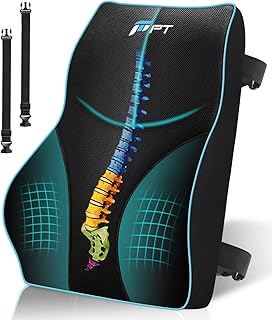
With an increasing awareness of the importance of ergonomic design in the workplace, 2026 will see a surge in ergonomic tech gadgets. From adjustable monitor stands to keyboard trays that promote better posture, these tools aim to enhance comfort while reducing the risk of repetitive strain injuries. Innovative chairs that adapt to your movements and provide lumbar support will also gain popularity. These ergonomic solutions will not only improve comfort but also boost productivity by allowing employees to work more efficiently.
Noise-Cancelling Technology
Noisy environments can be a significant distraction, affecting concentration and productivity. In 2026, advanced noise-cancelling technology will be prevalent in office spaces, whether through headphones or integrated into office furniture. These gadgets will use sophisticated algorithms to detect and filter out background noise, creating a more serene workspace. Open-plan offices will particularly benefit from this technology, allowing employees to focus without the disturbances that often accompany collaborative settings.
Augmented Reality Tools
Augmented reality is set to revolutionise the way we interact with our surroundings, and the office environment will be no exception. In 2026, AR tools will allow employees to visualise complex data, collaborate on projects and even conduct virtual meetings in immersive environments. With the use of smart glasses or AR-enabled devices, team members will be able to share a virtual workspace, enhancing collaboration and creativity, regardless of their physical location.
Wireless Charging Stations
As our dependence on technology grows, so does the need for efficient charging solutions. In 2026, wireless charging stations will become a commonplace feature in offices. These stations will not only charge devices but will also provide data transfer capabilities. Imagine a clutter-free workspace where you simply place your phone or tablet on a designated surface to power it up, all while connecting to your office network seamlessly. This innovation will help maintain a tidy environment and streamline the use of multiple devices.
Smart Lighting Solutions
Lighting plays a crucial role in workplace productivity and well-being. In 2026, smart lighting solutions will be designed to adjust automatically based on the time of day and the tasks being performed. These systems will utilise sensors to determine the optimal brightness and colour temperature, promoting alertness during the day and relaxation as the workday winds down. Additionally, smart lighting can be controlled via mobile devices, allowing for personalised settings that cater to individual preferences.